

I Tried Everything. Nothing Ever Worked.
On turning 25, late-realized neurodivergence, and what it finally feels like to stop fighting your own body.

Trigger warning: this piece includes depiction of childhood trauma with mentions of body dysmorphia and grief. Please read at your own pace.
This week I’m turning 25.
I’m writing this not as a celebration in the traditional sense, though I am still celebrating (ayyyeee 🎂🎉). I’m writing it as a reckoning of first quarter of my life. A reflection. A thank you to the girl who tried everything and kept going even when nothing worked, even when the message she was getting from the world was that she was the problem.
If you’ve ever felt like a burden in your own body, like you’ve tried every diet, every routine, every protocol, every mindset shift, and nothing stuck, this is for you. And if you’re a provider who works with families who seem difficult, resistant, or impossible to reach, this is for you too.
This is a piece of my story.
The Challenges I Faced in Childhood.
I grew up sick. Not dramatically, in a way that would have earned me answers. Just always, quietly, chronically unwell. With chronic asthma & allergies (struggling to literally breathe). A body that seemed to overreact to everything around it. I missed out on a lot. I was always a little behind, a little off, a little too much and not quite enough at the same time.
My parents divorced when I was very young. And the attention to my needs slowly became an afterthought. What came with that was instability, and my nervous system, young and already sensitive, had no tools to process it. I had meltdowns. I was destructive. I shut down and isolated myself, and when I did, the people around me punished me for it. I also had panic attacks, though I didn't have that word for them for a long time. They came most often when I felt misunderstood, or unheard. My body would do what my words couldn't: sound the alarm. Looking back, that makes complete sense. If no one is receiving the signal, the nervous system turns up the volume.
Friendships were their own kind of grief. I was almost always the odd one out. I had a couple of close friends throughout my childhood, but I was never their best friend. There was always someone else who held that place, someone they’d choose first, someone I could never quite be. I was present but peripheral, included but not quite belonging. I still carry that little girl inside me. The feeling of being adjacent to connection rather than inside it is something a lot of people like me know well, and almost nobody talks about.
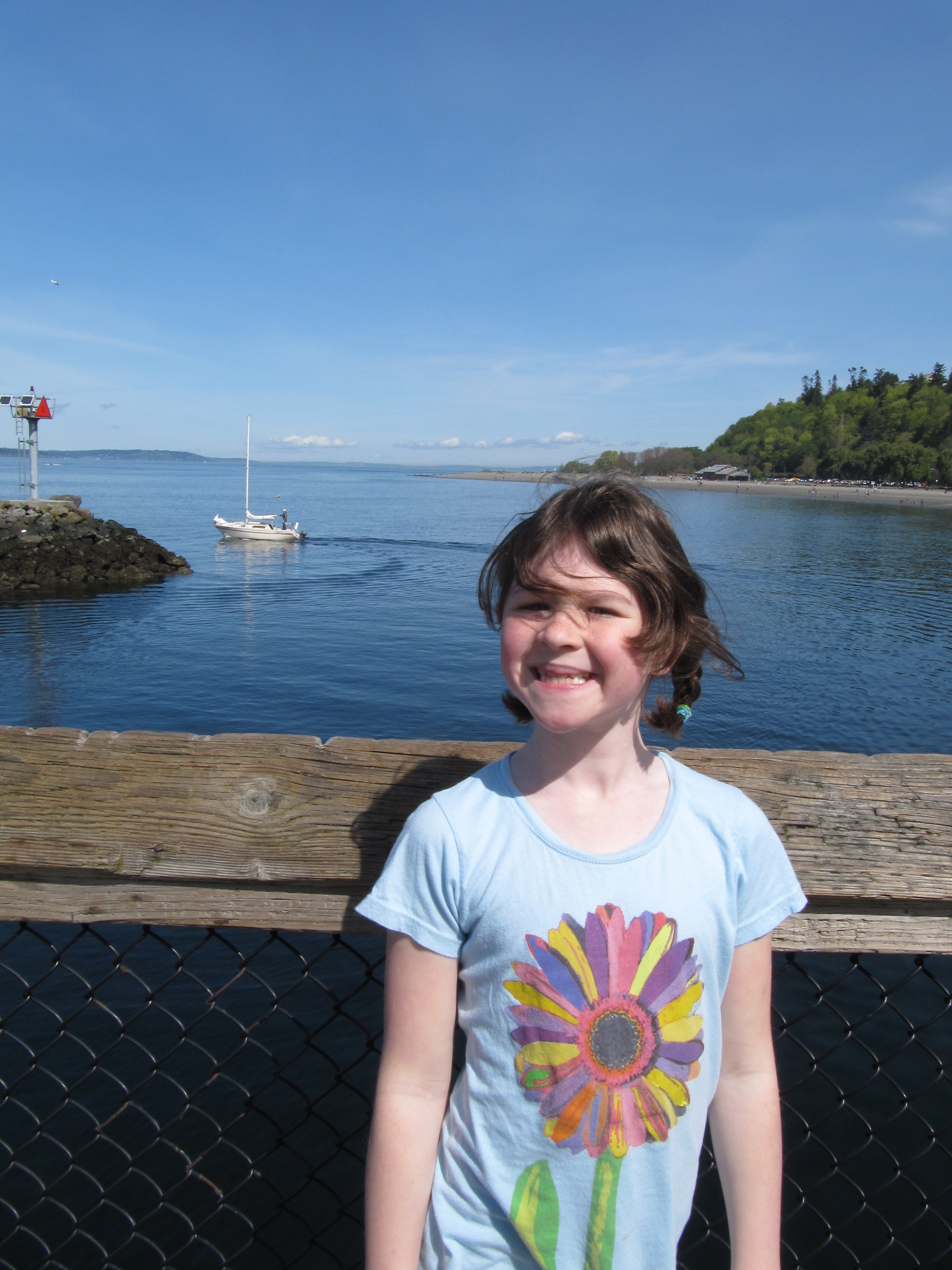
What I heard, over and over: you’re too sensitive. You’re too much. You’re so slow. Think before you speak. Be good. Why do you talk like that? Why do you think like that?
What I was actually doing was begging for help; In the only language my body knew how to speak.
What I needed was support, what I got was punishment.
Trusting Myself Was the Key Locked Away
Adolescence is when things really escalated. My mom was remarrying. Life was changing faster than I could track. At 16, I was put on hormonal birth control, and something shifted in me that I didn’t have words for yet. My emotions became louder. My meltdowns became bigger. I was shutting down, while also bubbling over with impulses I couldn’t control and couldn’t explain. It felt like something was always right under the surface, creating overwhelm I felt fully but didn’t understand and didn’t have the words to communicate.

I developed body dysmorphia. I look back at pictures from that time now and I think: you were fine. You were more than fine. But I had people in my life telling me to suck in, cover my arms, look a certain way. And when you hear that you’re too much, too loud, too sensitive, too angry, too anxious, for enough years, you stop questioning where it’s coming from. You just start believing it about yourself.
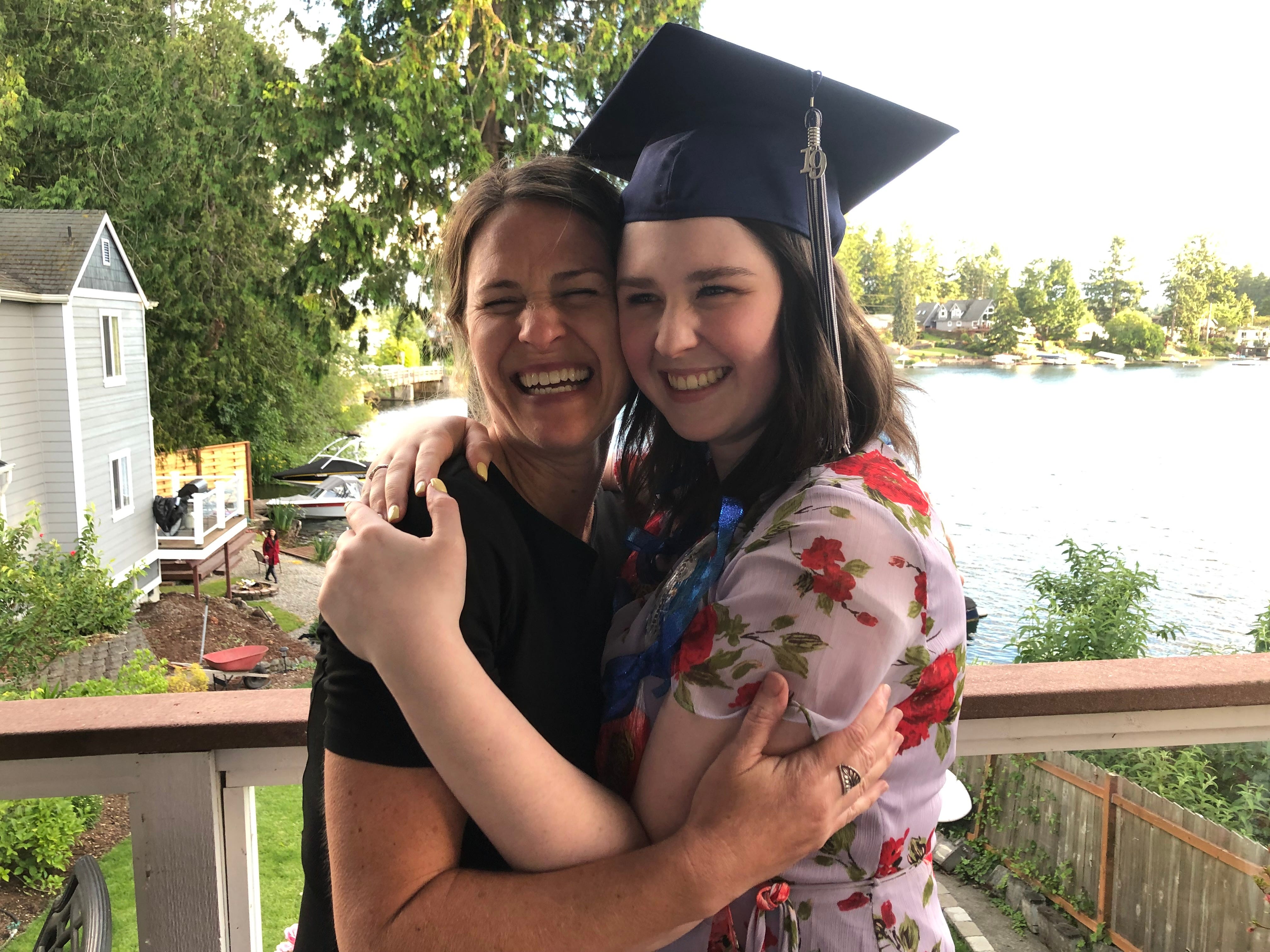
I was 15 when I met the person who would become my husband (yeah, kinda crazy) And his family did something no one had done for me before. They told me I could be whoever I was. Loud, quiet, expressive, withdrawn. All of it was welcome. and loved so deeply, like I was one of their own.
But it was his mother who changed something deeper in me. She was specific & unique, like me in so many ways. Watching her live fully, unapologetically, and be loved for exactly who she was, gave me something I had never had: a model. Proof that someone wired the way I was could build a life, a family, a home, without shrinking herself to fit it.
I started learning from her. Her routines, her rhythms, her way of caring for herself without apology. I started to believe, slowly, that maybe I wasn’t the problem. Maybe I had just never been given the right mirror.
Part Three: What Didn’t Work and Why
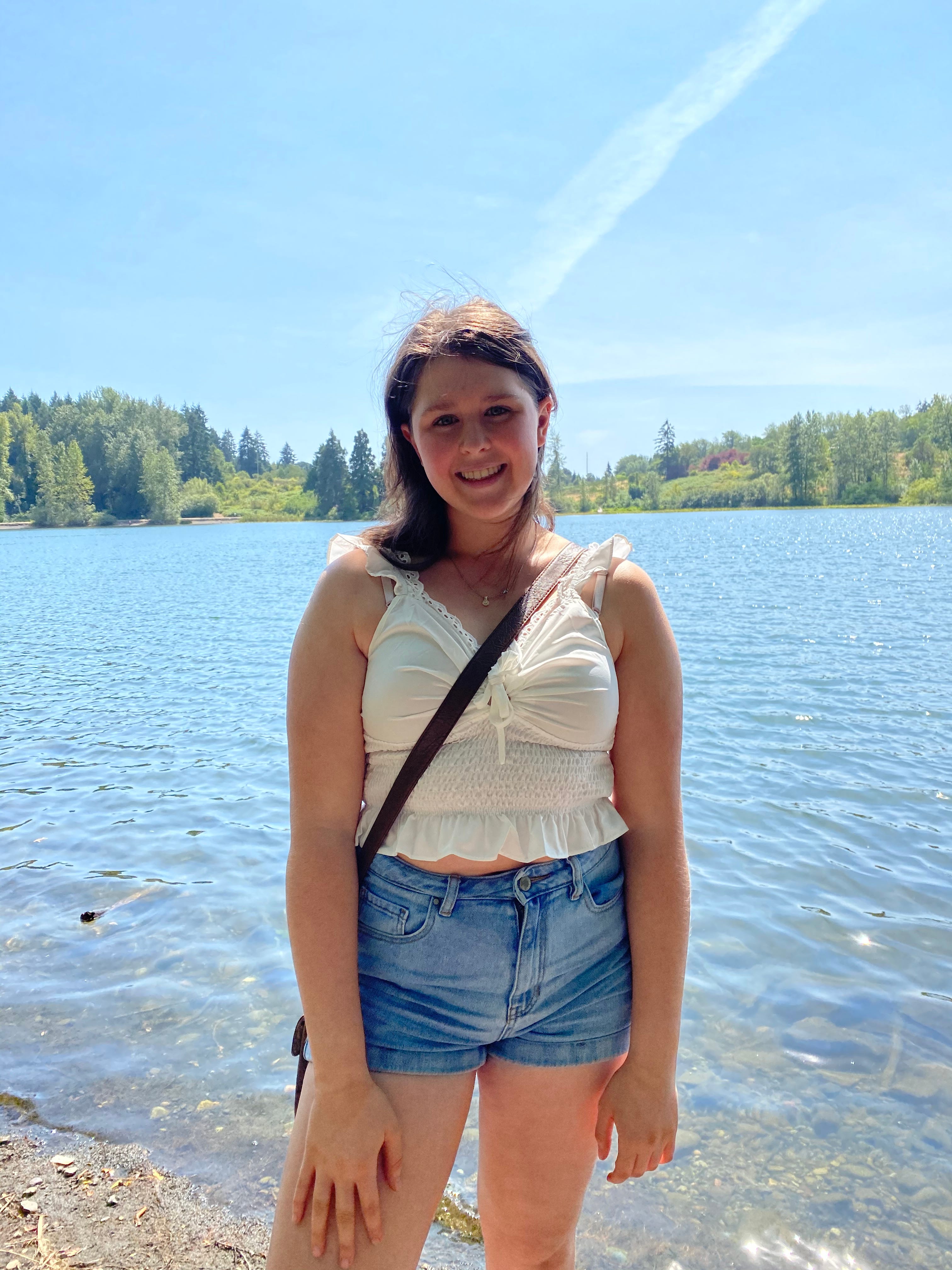
Armed with just enough self-belief to try, I spent years attempting what I was told would fix me. Here is an honest account of what didn’t work, and more importantly, why.
Standard dieting and rigid exercise
I went all in every time, and every time I crashed. Not because I lacked willpower, but because my body was already running on so little felt safety that adding restriction on top of it pushed me straight into survival mode. I was holding weight, not losing it. My hair was falling out. My skin was dull. My nails were breaking. My thyroid failing. My hormones were out of balance. Iron deficiency anemia. My body was doing exactly what a scared body does: hoarding everything it had, because it didn’t believe more was coming while simultaneously deteriorating the systems that were not sustainable.
Heavy lifting and running
These worked for other people. I watched them work for other people. But my nervous system couldn’t tell the difference between exercise stress and threat. Instead of building, I was depleting. The signal I needed to send my body wasn’t “work harder.” It was “you are safe.” And I had to learn how to send that signal.
Pushing through instead of pausing
Every system I tried rewarded pushing. More sets, more miles, more restriction, more consistency. But I was not built for more in that moment. I was built for attunement. And that word didn’t exist in my vocabulary yet.
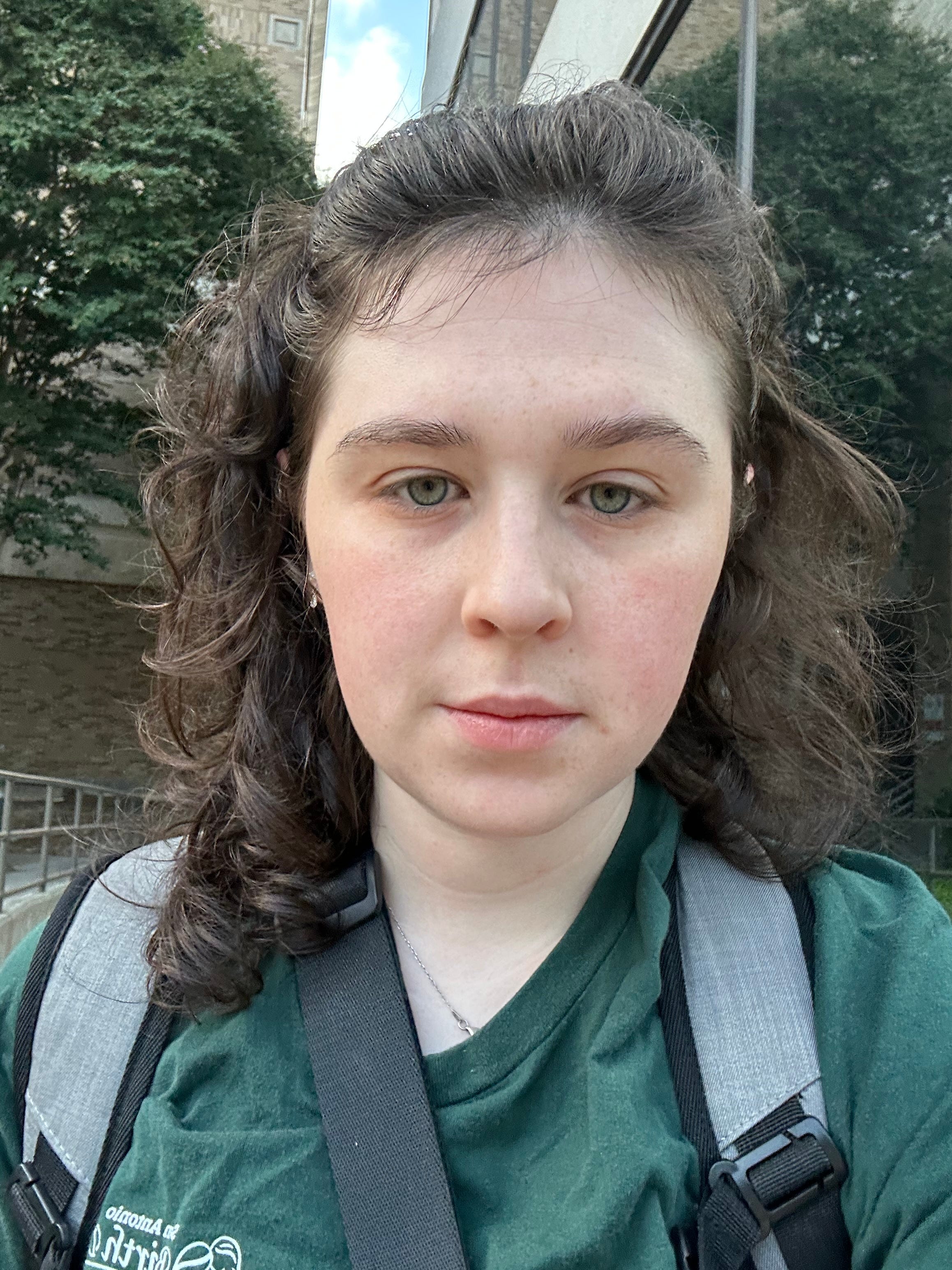
Walking into overstimulating situations with nothing to hold onto
Big stores. Crowded places. Overlapping conversations. Multiple demands at once. As a child, these situations ended in full meltdown. As I got older, they end in shutdown, going quiet and inward and unreachable, which looked more controlled from the outside but felt exactly the same on the inside. For a long time I thought the solution was to push through, to toughen up, to just handle it. But walking into a sensory environment that my nervous system couldn’t process, without any tools, without any preparation, was not toughening up. It was repeatedly asking my body to do something it was not equipped to do, and then blaming myself when it couldn’t.
It wasn't until I started doing the deeper work of self-discovery, and until my work as a doula began connecting dots I hadn't known to look for, that the picture started coming into focus. I began to realize that maybe I was different. Not broken, not difficult, not too much. Different. And I am proud of that. Proud of who I am, proud of who I am becoming. All of those years of meltdowns, misread signals, and wrong-fit solutions were never character flaws. Never weakness.
They were a nervous system wired differently, asking for different support, in a world that only knew how to offer one-size-fits-all.
Before You Read On
If any part of this resonated with you, I'd love to hear from you. Leave a comment below and tell me your story. You are not alone in this, and your voice matters here.
Part Four: What actually Worked
I want to be clear about something before I share this list. I am a different person than I was. Not because I fixed myself. Because I finally stopped trying to.
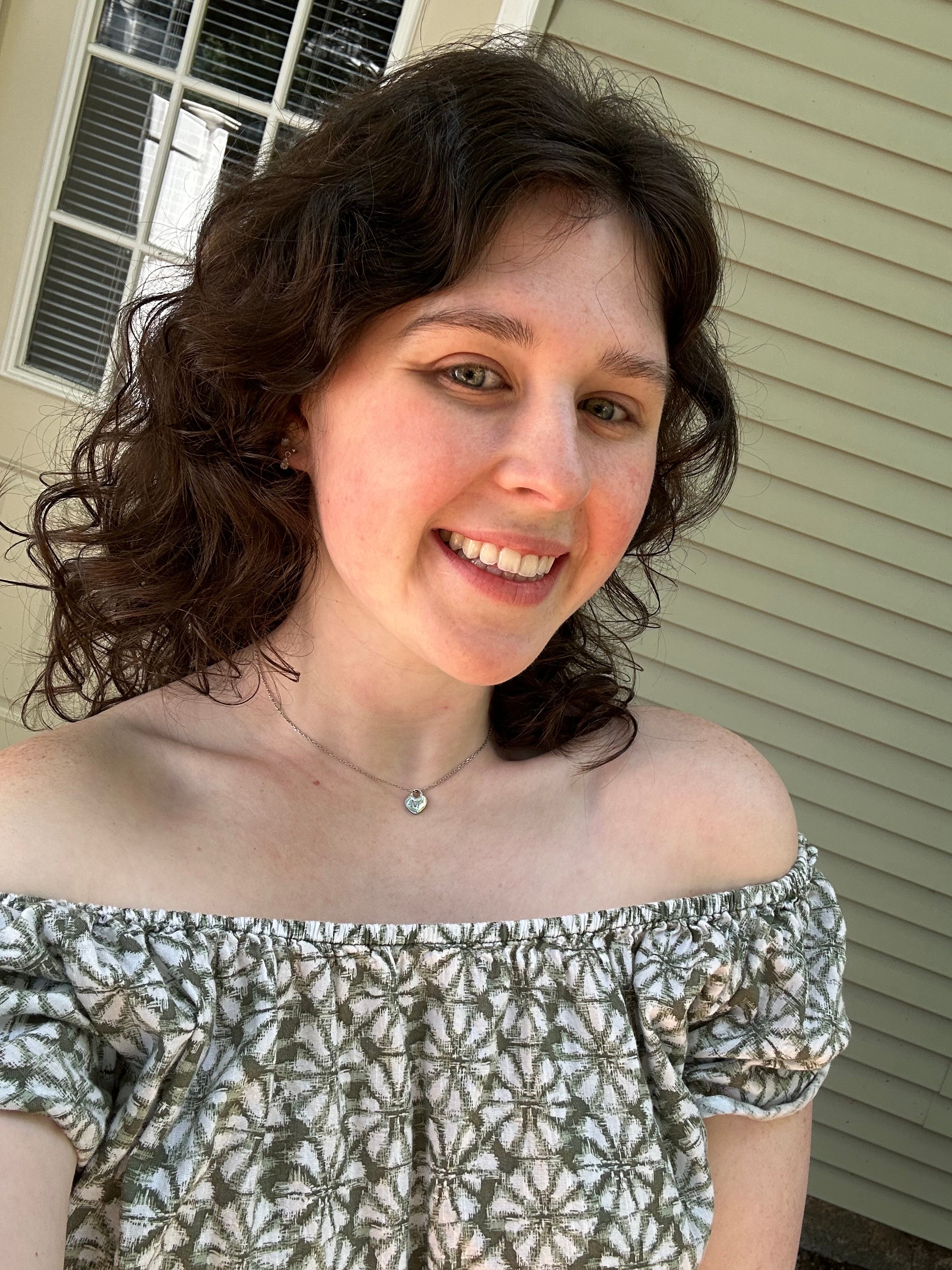
I used to have no room between a thought and a reaction. "Think before you speak" was something I heard so often I started to believe my mind was just broken. It wasn't. It was a nervous system doing the only thing it knew how to do.
Now I have space.
Actual mental space between a thought and what I do with it.
I am still direct at times
That’s not going away, and none of the rest of me is either.
But now I can choose. I can reflect. I can ask myself why I’m thinking what I’m thinking before it’s already out in the world. That space is not a personality upgrade. It’s what nervous system safety actually feels like from the inside.
Spirit and trust in my path
This one comes first because without it, none of the rest would have held. I had to believe that my experiences happened for a reason, that the pain, the mislabeling, the years of trying and failing, were building something. That there was a thread running through all of it leading somewhere. When I started to trust that thread and follow it, something in me settled in a way that no diet or routine ever touched. I stopped trying to outrun my story and started moving through it.
I stopped trying to outrun my story and started moving through it.
Cycle syncing
Tracking my cycle gave me a real-time map of what my body was doing and why. When I stopped imposing a one-size schedule on a cyclical system and started adapting my movement, my food, and my energy output to where I actually was in my month, I stopped burning out.
More than that, it trained my interoception. It taught me to notice and trust my own internal signals, which, for someone whose signals had been overridden and dismissed for most of her life, was the foundation everything else was built on.
Self-love Rituals
For most of my life, self-love was a concept I understood intellectually and could not access in my body at all. What changed it wasn't a realization. It was repetition. Dedicating actual time to pouring into myself, not as a reward, not when I had earned it, but because I am worth the effort on ordinary days too. It starts with how I talk to myself, catching the old voice and replacing it with something honest and kind. From there it became physical and spiritual: good hygiene as an act of love, rituals that make my body feel tended to, practices that reconnect me to my spirit when I've drifted. The small, consistent things that say: I live here, and I am going to treat this body like somewhere worth coming home to.
Movement that communicates safety, not punishment
Walking. Qi Gong. Dancing. Pilates. Light weight lifting on days when I have the energy for it. The through-line is that I let my energy tell me what my body needs, not a program, not a goal weight, not what worked for someone else. More energy means more movement. Less energy means gentler movement. My body has opinions, and I’ve learned to listen to them.
When I stopped exercising to lose and started moving to feel, everything changed.
Eating in a way that tells my body there is enough
Small, regular meals and snacks. No restriction. Hunger cues met before they become panic. The message my body finally started to receive: we have food. You are safe to burn energy. You don’t need to hold on. And in the process of finding food freedom I learned I love to cook (very chaotically).
Feeling instead of outrunning
When I need to cry, I cry. I let the emotion move through me instead of outrunning it. I sit with the story underneath it and I get curious, what is this really about, what does it need from me? And then I say: that was then. You are safe now. And I let it go. This is not weakness.
Feeling is not falling apart.
It is how we come back together.
Protecting my sensory space, and coming prepared when I can’t
I am more protective of my environment. I know which situations drain me and which ones ground me, and I plan accordingly. When I do need to be somewhere loud, crowded, or overwhelming, I come with tools, things that regulate me, things that give my nervous system something familiar to hold onto in the middle of the noise. That is not avoidance. That is adaptation.
Systems built for the way my brain actually works
Not borrowed from productivity culture. Not designed for a neurotypical schedule. Mine. Routines that account for my energy, my sensory needs, my way of processing. When I stopped measuring myself against systems that were never designed with me in mind and started building my own, I stopped failing and started functioning.
When your nervous system is in constant survival mode, it is not going to prioritize rest, space, or recovery. It is going to rush, hold on, and react, because somewhere deep down it believes it is still running from something. The work is not to think faster or try harder. The work is to convince your body that the danger has passed.
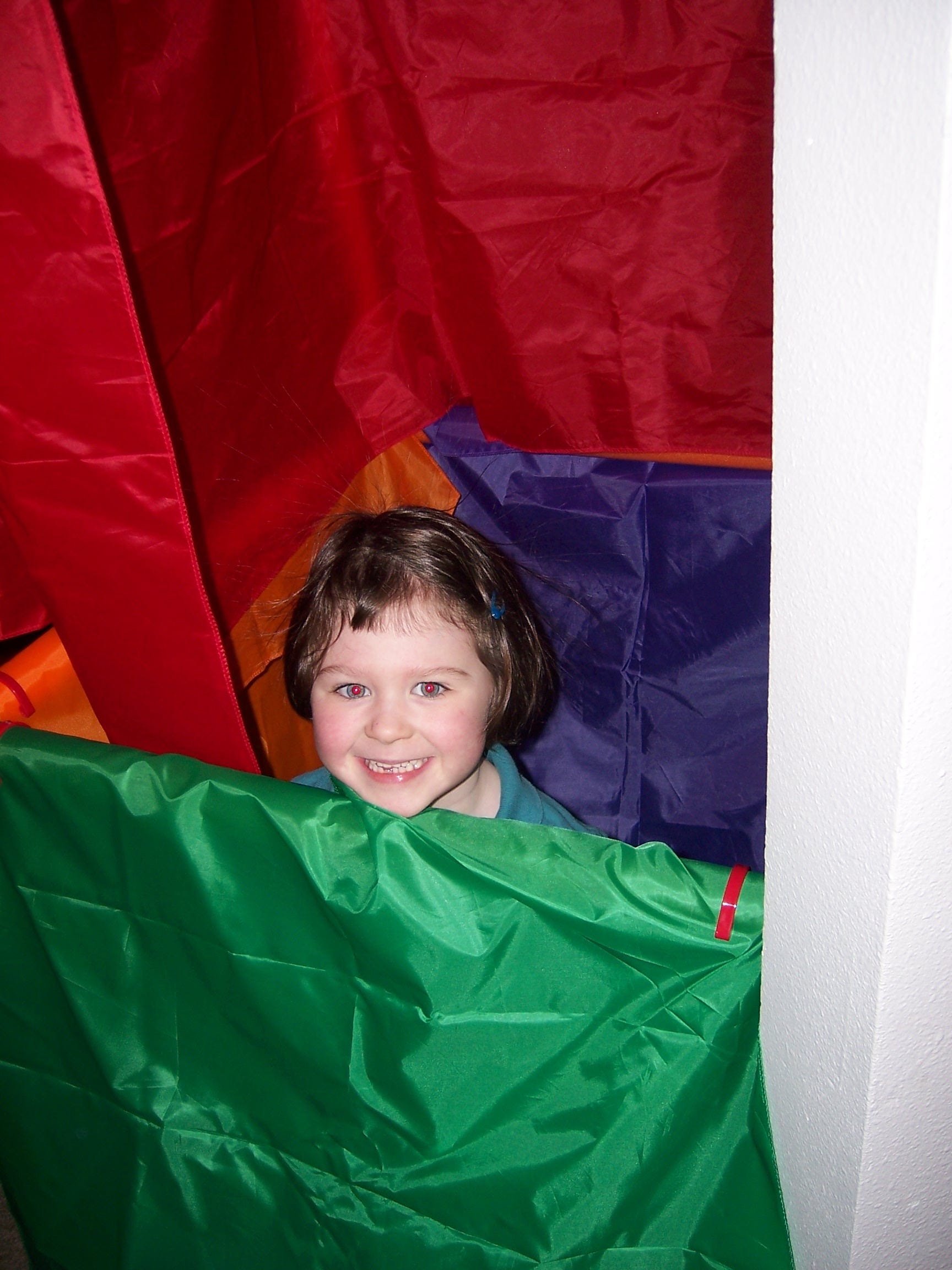
If you are a client, or someone who recognizes themselves in this story
You are not too much. You have not failed. The tools that didn’t work were not wrong because of you. They were wrong because they were never made for a nervous system like yours.
You don’t have to keep tolerating suffering as your baseline.
Safety in your own body is possible. It is real. It may look completely different from what anyone has ever prescribed to you, and that is not a flaw in you. That is information.
You deserve support that was actually built with you in mind.
If you are a professional in this space
I am the person in your waiting room. The one who seems anxious, or difficult, or resistant, or who has “tried everything” and nothing has worked. I’ve had doctors tell me it’s all in my head. I’ve been handed diagnoses of anxiety and depression that explained my symptoms but never the source. I’ve moved through systems that were not built for me, quietly, for most of my life, and almost no one realized what I was actually navigating.
There are so many people like me. And what we need more than anything is not a better protocol. It’s a provider who believes us. Who asks different questions. Who creates enough safety in the room that our nervous system can finally exhale.
The systems you work within were not built with people like me in mind. There is a lot that needs to change, and that change is slow, and I know you feel that too. But there are places where small shifts create enormous impact, where one provider who asks a different question, or creates enough safety in the room for a nervous system to finally exhale, can change the entire trajectory of a family's experience. That is where Mind the Bump lives. Not replacing what you do, but working in the gaps, building the culture of care that labor and delivery has needed for a long time, one provider at a time.
Turning 25 feels like the right time to say all of this out loud. I'm still learning. I'm still becoming. By no means am I doing it perfectly, but I am doing it as me, and that is what matters.
Thank you for being here.
Love,
Abigail <3
If this resonated with you, the best thing you can do is subscribe so you never miss a piece like this one:
If you’re a provider reading this, I’d love for you to join the Mind the Bump Perinatal Network where we are building the infrastructure for nervous system care through the perinatal period.
And if you know someone who needs to read this, please share it. A colleague, a friend, a family member, anyone who has ever felt like too much in their own body. This work matters so deeply to me, and I know that together we can make it a reality for so many women who are still out there waiting to feel safe.
This is so wise for someone 25. At 33 I’m still learning a lot of this. I related to the parts about accepting that all of the pain means something. That’s something I’m trying to do now. Cycle syncing is also amazing (also only started that in the last few years sadly.. it explained so much), and light walking and reformer has been a better match for my energy levels like you. The sensory environments working on but tougher with kids, although I aim for parks instead of busy places. It’s tough when you’re trying to live up to wellness advice that simply was never going to work. We need a whole new guidebook and these conversations help us put our own together so thanks for sharing.
Glad you've found things that have supported you and allowed you to show up as yourself 🫶